Traditional Cam Portals vs. VR Hubs: A Strategic Guide for Streamers
Decide between traditional cam portals and VR hubs. This guide helps streamers choose for optimal engagement and ROI, focusing on technical friction vs. profit.
Streaming Mastery: Choosing Between Traditional Cam Portals & VR Hubs
Over 80% of new streamers abandon their platform within 90 days due to poor platform choice. The stakes are real: technical friction can slash your hourly rate in half, whilst the right platform match can accelerate earnings by 300% within six months. Your platform decision isn’t just about technology, it’s the foundation of streaming mastery, requiring you to match your capabilities to market demand when choosing between traditional cam portals and VR hubs.
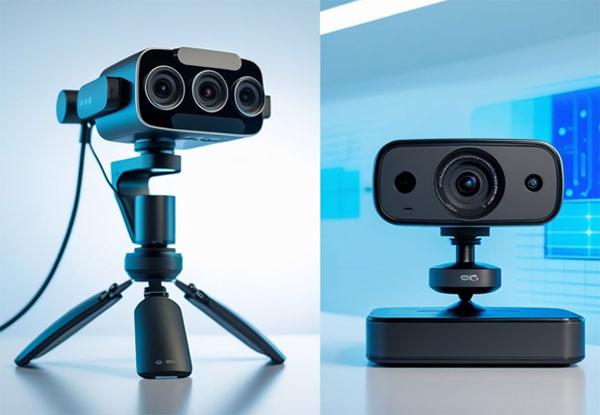
vr cams vs web cam
Quick Answer: What’s the Key Difference When Choosing Between Traditional Cam Portals and VR Hubs for Streaming Mastery?
Traditional cam portals offer high traffic and low technical barriers, making them ideal for immediate income. VR hubs deliver higher per-viewer spend but demand significant hardware investment and technical expertise. Your choice depends on current equipment, technical comfort level, and tolerance for complex setups.
Core Platform Differences: Your Foundation Strategy
At its heart, the main difference comes down to “spatial presence” versus “social convenience.” This live cam site comparison reveals that VR platforms excel at creating intimacy through immersion, fostering deeper connections that command premium rates.
Traditional sites focus on making viewer connection effortless. One click gets them into your chat room, ready to engage immediately.
Your Four-Step Platform Selection Audit
Use this audit to align your platform choice with your current setup and goals:
- 1. Audit Your Upload Speed: Test your connection during peak evening hours, not at 3am when networks are empty. VR streaming demands 50+ Mbps upload speeds consistently.
- 2. Compare Real Gear Costs: A quality VR setup costs £3,000+ minimum. Professional conventional streaming? You can start for under £300.
- 3. Assess Your Physical Stamina: VR performances resemble intensive workouts. Can you maintain energy for 2-3 hours whilst wearing a headset and moving constantly?
- 4. Analyse Top-Earner Patterns: Spend an evening observing the top 5 models in both categories. Note their peak viewer counts, tip frequencies, and engagement patterns.
Performance Scripts: What Actually Works
Your communication style must leverage each platform’s core strengths. Here’s how successful streamers adapt their approach:
VR Hub Communication
- “I’m switching to the 180-view now, grab your headset so we can get closer.” This directly leverages VR’s intimacy advantage.
- “Move closer to me in the virtual space, I want to see your reactions.” This creates spatial engagement conventional platforms cannot match.
Traditional Portal Engagement
- “New goal active, help me hit the target so we can unlock the next outfit.” This drives the gamified tipping culture established portals thrive on.
- “Private show starting in 5 minutes, message me your requests now.” This creates urgency within familiar interaction patterns.
Platform-Specific Engagement Mechanics
Conventional Platform Strategies
- Tip Menu Psychology: Structure goals in increments that feel achievable. Small wins encourage larger spending.
- Chat Room Energy: Maintain constant interaction. Silent streamers lose viewers within minutes.
- Private Show Conversion: Use public teasing to drive private bookings, your main revenue source.
VR Hub Engagement Tactics
- Spatial Storytelling: Use the 360° environment to create scenarios impossible on 2D streams.
- Technical Showcasing: Demonstrate VR capabilities early, viewers pay for experiences they cannot get elsewhere.
- Immersion Breaks: Acknowledge the technology to enhance, not break, the fantasy.
Choosing Streaming Platforms: Beginner vs Advanced Strategy
If You’re Starting Out
Begin on a conventional platform this week. Master chat room dynamics with basic equipment before tackling VR’s complexity. Focus on building confidence and understanding viewer psychology first.
If You’re Experienced
Consider VR only after mastering camera settings without breaking concentration. You need budget for a professional rig plus months of learning time.
Critical Mistakes That Kill Earnings
- Budget VR Camera Trap: Cheap VR cameras produce unwatchable, blurry 180-degree footage. This destroys the premium experience viewers pay for.
- Empty Room Syndrome: Don’t spend hours waiting for one “VR whale” when consistent income flows on legacy sites with higher traffic.
- Tech Troubleshooting Trap: Spending 40 minutes fixing audio sync kills your earning window. Keep setups simple until technical mastery becomes natural.
- Platform Hopping: Switching platforms every month prevents audience building. Commit to one for at least 90 days before evaluating performance.
- Technical Reality Check: Honestly assess your current hardware, internet speed, and troubleshooting patience.
- Engagement Preference: Do you thrive on broad social interaction or prefer intense, intimate connections?
- Content Strategy: Does your performance style benefit from spatial presence, or does traditional interaction serve you better?
- Investment Capacity: Can you realistically budget £3,000+ for VR equipment plus months of learning time?
- 1. Today: Run a hardware compatibility check, can your PC handle VR encoding without overheating? Use online system requirement tools for accurate assessment.
- 2. This Week: Create accounts on both a leading conventional platform and a VR hub. Study top performers’ strategies for 7 days before creating content.
- 3. Month 1: Commit to one platform and track your earnings, technical issues, and viewer engagement patterns daily.
- 4. Month 3: Evaluate performance data and decide whether to optimise your current choice or consider switching based on concrete results, not assumptions.
Revenue Models: How Each Platform Pays
Revenue structures differ dramatically between platforms. Understanding these mechanics determines your earning potential and streamer success strategies.
Conventional Platform Economics
Traditional platforms operate on straightforward revenue models with multiple income streams. Established portals run on pay-per-minute rates, direct tips, and private shows.
In the landscape of conventional streaming, the primary goal is capturing high-volume traffic. Industry leaders like chatterbate.net have mastered this through a robust ‘freemium’ model that combines public chat engagement with lucrative private show conversions. For a streamer, this means constant discoverability; the platform’s massive existing user base acts as a built-in marketing engine, allowing you to focus on performance rather than hunting for an audience.
The strength lies in volume, lower individual payments but higher frequency. Tiered pricing keeps viewers engaged across different spending levels, creating multiple entry points for different budgets.
Fan clubs and subscriptions provide recurring revenue streams. Many platforms offer affiliate programmes and promotional bonuses to boost earnings.
VR Hub Revenue Models
VR platforms command premium rates through immersive experiences that traditional streaming cannot match. Revenue comes from one-time purchases for exclusive VR shows and subscription-based access to content libraries.
Conversely, for those pivoting toward high-margin, tech-forward audiences, dedicated hubs like vrcams.io offer a specialized infrastructure designed for 180° and 360° stereoscopic output. Because these platforms cater specifically to users with premium hardware, the revenue per viewer is significantly higher. Integrating with a VR-focused provider ensures that your high-resolution metadata and haptic synchronization data are handled natively, preserving the immersion that justifies your premium rates.
Microtransactions for virtual interactions add another layer. The per-viewer value runs significantly higher, reflecting the enhanced engagement that spatial presence delivers.
Streamers who match their technical capabilities to platform demands typically see 200-400% higher retention rates in their first six months compared to those who choose based on perceived prestige alone.
Payment Security and Fee Transparency
Both platform types employ robust payment processing, supporting everything from credit cards to cryptocurrencies. Legacy sites typically offer more payment flexibility, whilst VR hubs integrate security within more complex software environments.
Always scrutinise platform fees, they range from 20% to 50% of your earnings. This can make or break your profitability.
Technical Requirements: What You Actually Need
Equipment requirements create the biggest divide between these platforms. The hardware gap is substantial, and your current setup likely determines your best starting point.
Virtual Reality Streaming Platform Requirements
VR streaming setup guide essentials include high-end everything. Your PC needs serious processing power, your internet connection must be rock-solid, and your cameras need professional-grade quality.
| Component | Conventional Platforms | VR Hubs |
|---|---|---|
| Camera | HD webcam or DSLR with capture card | 360°/3D VR camera systems (e.g., Insta360, Kandao Qoocam) | PC Requirements | Moderate CPU/GPU for 1080p streaming | High-end CPU/GPU (NVIDIA RTX 3080 minimum) for 6K+ encoding |
| Software | OBS Studio, Streamlabs OBS | VR-specific streaming software, real-time stitching applications | Internet | Reliable broadband (minimum 10 Mbps upload) | Low latency, high bandwidth (minimum 50 Mbps upload) |
The Learning Curve Reality
Legacy sites prioritise user-friendliness, you can stream professionally within hours. VR hubs demand weeks of learning: equipment calibration, software mastery, and troubleshooting skills.
Your technical confidence should heavily influence this decision. There’s no shame in starting simple and upgrading later.
Content, Community, and Safety
Platform choice affects your entire working environment, not just technical setup. Each platform type creates different community dynamics.
Essential Streaming Tools
Traditional setups require standard webcams, proper lighting, and broadcast software, tools most people master quickly. VR demands headsets, motion trackers, 360° cameras, and complex rendering software requiring genuine technical expertise.
Community Management and Moderation
Conventional platforms handle moderation through familiar chat-based systems with clear harassment and content rules. Dedicated moderators or auto-mod tools help maintain order during busy streams.
Most experienced streamers rely heavily on trusted community members to help police their chat rooms. This creates a familiar, manageable environment.
VR platforms require entirely different moderation approaches. Many employ “undercover” moderators observing 3D spaces, supplemented by AI detecting inappropriate behaviour. Spatial moderation requires understanding virtual proximity and gesture recognition, making it significantly more complex than traditional text-based monitoring.
Legal and Privacy Considerations
Both platforms collect substantial user data, but VR’s biometric capabilities raise additional privacy concerns that streamers need to understand.
Data Protection Standards
GDPR and CCPA compliance isn’t optional, it’s fundamental. VR platforms face additional scrutiny due to potential biometric data collection through headset sensors.
Ensure any platform demonstrates transparent data policies and robust security measures. Your reputation depends on platform reliability.
Content Ownership and Rights
Read contracts carefully. Some platforms claim broad rights over recorded content, whilst others protect creator ownership.
VR content presents particular challenges, who owns a 360° recording when multiple viewing angles create different experiences? These questions matter for your long-term earnings.
Future-Proofing: Technology Trends
Both sectors continue evolving rapidly, but in different directions. Understanding these trends helps inform your platform choice.
Conventional Platform Innovation
AI-driven personalisation now helps performers adapt in real-time based on viewer behaviour analytics. Dynamic monetisation systems automatically adjust pricing based on demand.
Enhanced security features meet increasingly stringent regulatory requirements, whilst user experience improvements keep viewers engaged longer.
VR Streaming Evolution
Standalone headsets with 4K+ resolution are eliminating PC requirements for viewers. Cloud streaming solutions reduce latency issues, whilst AI optimises camera angles automatically.
Haptic feedback and mixed reality promise deeper immersion, but also greater technical complexity. The learning curve isn’t getting easier.
To stay ahead of these technological shifts and discover advanced VR streaming techniques, consider which platform aligns with your long-term technical growth plans.
Your Strategic Decision Framework
This choice comes down to matching platform capabilities with your resources, skills, and ambitions. There’s no universal “right” answer.
Established portals deliver accessibility and proven audiences with minimal technical barriers. They’re perfect for creators prioritising immediate income generation over cutting-edge experiences.
VR hubs offer transformative engagement possibilities that justify premium pricing. However, they demand substantial upfront investment and ongoing technical commitment.
Choose VR only if you’re genuinely excited about mastering complex technology, not just chasing higher per-viewer rates.
Your Decision Checklist
| Feature | Conventional Platforms | VR Hubs |
|---|---|---|
| Audience Reach | Broad & Diverse | Niche & Tech-Savvy |
| Immersion Level | Standard 2D Interaction | High 3D Presence |
| Setup Complexity | Low to Moderate | High |
| Monetisation Potential (Per Viewer) | Consistent, Volume-Based | High, Value-Added |
What to Do Next: Your Action Plan
Mastering your streaming platform choice requires a clear roadmap. Here’s how to move forward strategically:
Success in streaming mastery depends entirely on choosing the platform that amplifies your strengths rather than exposing your weaknesses. Traditional cam portals and VR hubs each serve different creators best.
Ready to build your ultimate streaming command center? Use the **Strategic Decision Framework** above, make your decision based on data rather than hype, and then explore our guides to optimal streaming equipment to engineer the technical foundation that sets you apart from the competition.